
Online Learning
The world of education has undergone a massive transformation. Online learning has emerged as a powerful tool for students, educators, and institutions, reshaping how knowledge is delivered and absorbed. In 2026, the landscape of virtual learning is more advanced than ever, offering students unmatched flexibility, accessibility, and engagement.
- Definition of Online Learning
Online learning, also refers to the use of digital platforms to deliver education remotely. Students can access lectures, assignments, and resources through computers, tablets, or smartphones. - Rise of Virtual Education Post
The global pandemic accelerated the adoption of online classes for students, making digital classrooms a mainstream mode of education worldwide. This shift highlighted the importance of online learning in creating resilient education systems.

Key Benefits of Online Learning
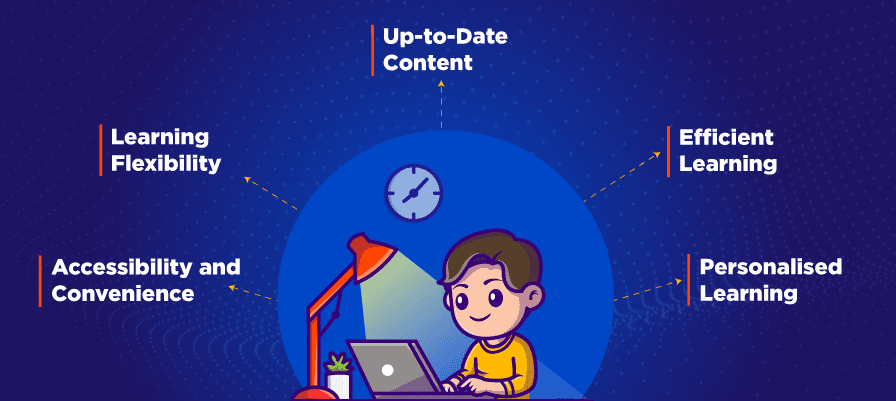
- Flexibility and Accessibility
Students can learn from anywhere, anytime, making ideal for diverse schedules. - Cost-Effectiveness
Online courses often cost less than traditional classes, reducing tuition and travel expenses. - Personalized Learning Experience
Adaptive learning tools allow content to match individual learning speeds, improving understanding and retention.
Advantages of Online Education for Students
- Self-Paced Learning
Students can revisit lessons, practice exercises, and progress at their own speed. - Wider Access to Courses
From coding to philosophy, students gain access to courses worldwide, expanding learning opportunities. - Enhanced Digital Literacy
Online learning encourages students to develop digital skills critical for modern careers.
Importance of Online Learning in Modern Education
- Adapting to Remote Learning Trends
Education systems increasingly rely to maintain continuity in emergencies. - Preparing Students for the Digital Workforce
Digital education equips learners with skills such as collaboration, communication, and technology proficiency.
Types of Online Learning Platforms in 2026
- MOOCs (Massive Open Online Courses)
Platforms like Coursera and edX allow students worldwide to access high-quality courses for free or at low cost. - Learning Management Systems (LMS)
LMS platforms enable institutions to manage courses, assessments, and student performance efficiently. - Interactive Virtual Classrooms
Video conferencing and collaborative tools simulate in-person learning experiences, making online classes for students more engaging.
Challenges and Limitations of Online Classes for Students
- Engagement and Motivation Issues
Without face-to-face interaction, some students struggle to stay motivated. - Technical and Accessibility Barriers
Reliable internet and modern devices are essential; students without access face difficulties. - Assessment and Evaluation Challenges
Ensuring academic integrity during remote assessments remains a critical concern.

Best Practices for Effective Online Learning
- Time Management Strategies
Creating schedules and setting goals improves focus and completion rates. - Interactive and Collaborative Learning
Group projects and discussion forums enhance engagement and understanding. - Leveraging Technology for Engagement
Gamification, quizzes, and multimedia resources make lessons interactive and memorable.
The Future of Online Learning
- Trends Shaping Education in 2026
Hybrid learning models and AI-driven personalization will dominate the landscape. - AI and Adaptive Learning Technologies
Artificial intelligence tailors content, predicts student performance, and enhances retention. - Global Expansion
It breaks geographic barriers, creating a truly global classroom.
FAQ Section
Q1: What are the main benefits of online learning?
A: It offers flexibility, personalized experiences, cost savings, and access to global courses, making education more inclusive and efficient.
Q2: How do online classes differ from traditional education?
A: Online classes provide self-paced learning, digital collaboration tools, and remote access, while traditional education relies on in-person lectures and schedules.
Q3: What platforms are best in 2026?
A: Popular platforms include Coursera, edX, Khan Academy, and specialized LMS platforms for schools and universities.
Q4: Can online learning improve digital literacy?
A: Yes, it helps students master digital tools, software, and collaboration platforms, skills essential for the modern workforce.
Q5: What are the challenges ?
A: Challenges include staying motivated, access to technology, engagement, and maintaining academic integrity during remote assessments.
Online learning is transforming education in 2026 by providing accessible, flexible, and personalized experiences. By understanding its benefits and challenges, students and educators can maximize its potential. Whether you are a student looking to enhance your skills or an institution implementing the future of education is digital and transformative.