

Effective human resource management is essential for businesses that want to build a strong workforce, improve productivity, and maintain compliance. Regardless of company size, organizations rely on structured HR practices to attract talent, support employee performance, and manage their teams effectively. This simple guide breaks down the core components of HR, the role of human resource processes, and how human resources services can streamline operations for growing businesses.
Why Human Resource Processes Matter for Every Business
Strong human resource processes help businesses maintain consistency, reduce risk, and create a positive environment where employees can thrive. Even small companies benefit from standardized HR procedures, particularly when managing growth or navigating regulatory requirements. Without a structured HR approach, communication gaps, compliance issues, and employee dissatisfaction can quickly arise
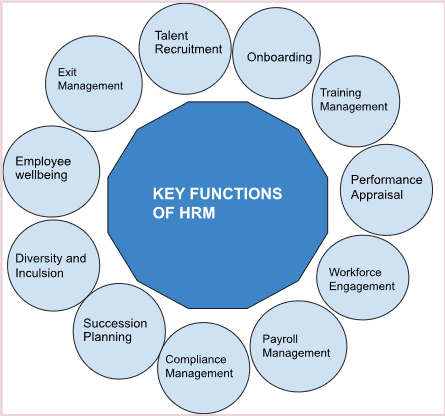
Core Functions of HR Management
Below are the essential functions that make up a complete HR strategy. Each component contributes to the stability and long-term success of a business.
Recruitment & Talent Acquisition
Attracting qualified talent is one of the most important responsibilities within HR. Effective recruitment strategies help businesses target the right candidates, streamline the hiring process, and build strong teams. Many companies rely to manage job postings, interview coordination, and applicant screening, ensuring faster and more accurate hiring decisions.
Employee On boarding & Development
On boarding plays a crucial role in long-term employee success. Proper training, orientation, and support help new hires quickly adapt to company culture and processes. On-going development—including mentoring, skills training, and leadership programs—helps employees stay engaged and improves overall retention.
Performance & Productivity Management
Performance management ensures that employee goals align with organizational objectives. Clear expectations, regular check-ins, and structured reviews allow teams to stay focused and productive. HR also guides managers in addressing performance challenges, improving communication, and recognizing achievements.
Core HR Management Functions
| HR Function | Description | Suggested Keyword Use |
| Recruitment & Talent Acquisition | Identifying, attracting, and hiring qualified candidates. | human resources services |
| On boarding & Development | Integrating new employees and supporting on-going skill growth. | human resource |
| Performance Management | Monitoring and improving employee productivity and alignment. | N/A |
| Compliance & Policy Management | Ensuring adherence to laws and internal policies. | human resource management |

Benefits of Using Professional Human Resources Services
Many businesses choose to partner with providers offering human resources services to support their internal teams or replace in-house HR entirely. Outsourced HR gives companies access to expert guidance, advanced HR technology, and scalable resources without the need for a full internal department.
Some of the key benefits include:
- Reduced administrative workload
- Better compliance and risk management
- Improved hiring and on boarding efficiency
- Access to experienced HR specialists
- Cost savings through streamlined operations
How HR Management Supports Business Growth
Proper human resource management contributes directly to long-term growth. Companies with strong HR systems experience higher productivity, better employee satisfaction, and more efficient operations. HR provides the structure needed to scale teams, navigate challenges, and maintain strong performance across departments.
Businesses that invest in HR experience:
- Stronger internal communication
- Higher employee retention rates
- Clearer performance expectations
- Better alignment between leadership and staff
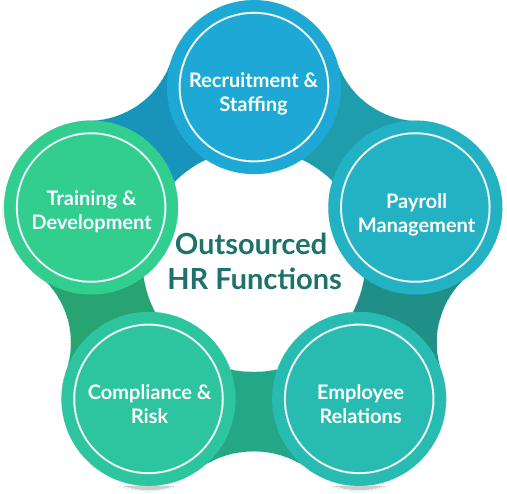
Benefits of Outsourced Human Resources Services
| Benefit | Business Value | Keyword Placement |
| Compliance Expertise | Reduces legal risks and ensures adherence to regulations. | human resources services |
| Cost Efficiency | Cuts expenses associated with internal HR departments. | N/A |
| Scalable Support | Adapts HR solutions as the company grows. | human resource |
| Improved Hiring | Streamlines candidate sourcing and screening. | human resource management |
Choosing the Right HR Partner
When selecting an HR provider or internal HR solution, businesses should consider:
- Experience across industries
- Technology and tools offered
- Level of support
- Compliance and legal expertise
- Scalability for future growth
Human resource management plays a vital role in organizational success. From recruitment to compliance, every HR process contributes to a stronger, more productive workplace. Whether you manage HR internally or rely on professional human resources services, implementing strategic HR practices helps protect your business and support its growth. Educational institutions such as Global Online College.
FAQ’s:
1. What is human resource management?
Oversees hiring, training, and employee support to ensure an organized, compliant, and productive workplace.
2. Why is HR management important?
It improves employee performance, reduces compliance risks, and supports overall business efficiency.
3. What are HR management duties?
Duties include recruiting, on boarding, performance reviews, training, and policy management
4. How does HR support business growth?
HR strengthens workforce skills, boosts retention, and creates structure that helps companies grow.
5. Should small businesses outsource HR?
Yes. Outsourcing provides affordable expertise, reduces risks, and delivers professional.