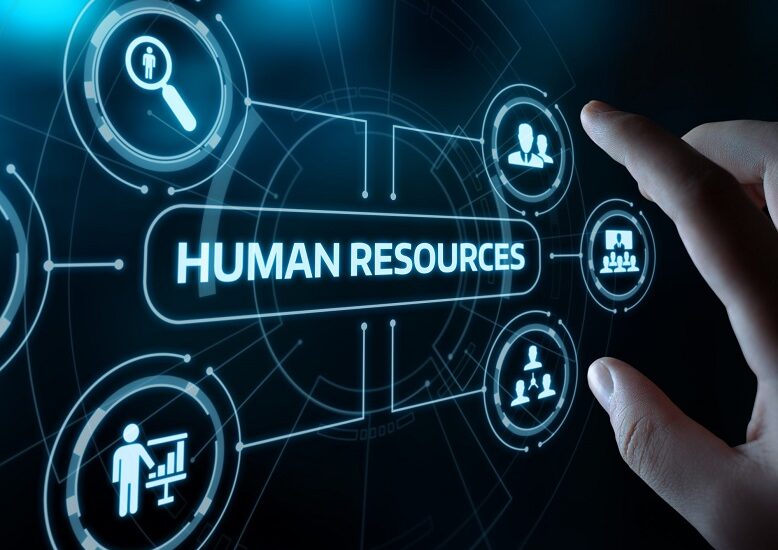
The demand for skilled human resources professionals continues to grow as organizations expand, digitalize, and focus on strategic workforce management. For many learners, online human resources programs and a diploma in HR have become ideal ways to gain industry-ready skills without pausing their current commitments. Whether you’re considering a human resources degree or other professional certifications, understanding the core elements of human resources and choosing the right learning pathway will help you build a successful HR career
Why H.R Is One of the Fastest-Growing Career Paths
The field of human resources plays a pivotal role in organizational success. From talent acquisition to employee development, HR professionals ensure the smooth functioning of business operations. As companies increasingly invest in employee experience, learning culture, and performance systems, HR careers offer strong stability and long-term growth.
Essential Skills Every H.R Professional Must Build
Building a successful HR career requires a blend of soft skills and technical knowledge, including:
- Communication and interpersonal skills
- Employee relations management
- Recruitment and onboarding
- Performance management tools
- Labor law and compliance
- Training and development planning
- Data-driven decision-making
Education Options to Start a Career in H.R
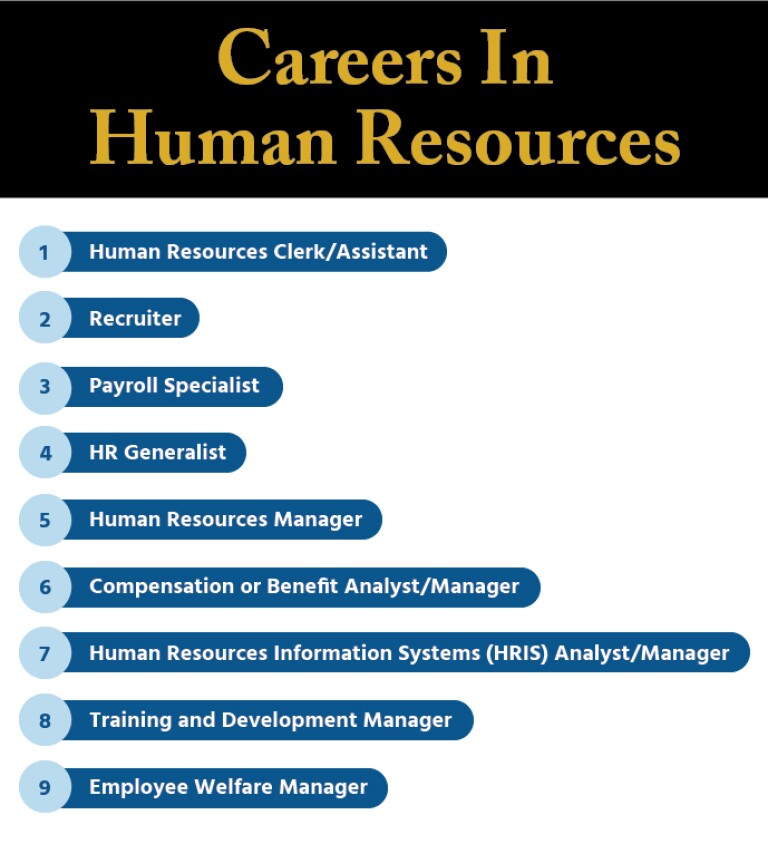
Diploma in H.R
A diploma in H.R is a short-term, practical qualification that helps learners understand the fundamentals of workforce management. It is ideal for beginners or working professionals looking to expand their HR knowledge without committing to a full degree program.
Human Resources Degree
A human resources degree provides a deeper, more comprehensive education in H.R principles, labor regulations, employee development, and organizational behavior. It is suitable for students seeking strong academic grounding and higher-growth management roles.
Online Human Resources Certification Programs
These flexible programs focus on industry-relevant concepts such as payroll management, HR analytics, employee retention strategies, and recruitment systems. They are ideal for learners who want focused upskilling.
Job Roles You Can Pursue in the H.R Field
| Job Role | Primary Responsibilities | Suitable For | Growth Potential |
| HR Executive | Recruitment, onboarding, documentation | Beginners | High |
| Talent Acquisition Specialist | Hiring, interviews, workforce planning | Diploma/Cert holders | Very High |
| HR Manager | Policy building, strategy, compliance | Degree graduates | High |
| Training & Development Officer | Employee training, skill mapping | Diploma/degree holders | Moderate |
| HR Analyst | Data analysis, reporting, insights | Tech-oriented learners | Very High |
How Online Human Resources Programs Help You Get Started
Modern online human resources courses offer flexible learning modules that help beginners understand HR foundations without attending a physical campus. These programs include case studies, virtual HR tools, project-based learning, and interactive sessions with industry mentors. Students also gain real exposure to HR policies, interview processes, and digital workforce systems, helping them become employment-ready quickly.
Steps to Begin Your Career in Human Resources
1. Choose the Right Learning Path
Decide whether you prefer a short-term diploma in H.R, or a flexible online certification based on your goals.
2. Build Technical and People Skills
Focus on tools like HRMS software, applicant tracking systems, and performance evaluation tools while building strong communication and leadership skills.
3. Gain Practical Experience
Internships, entry-level HR roles, and volunteer opportunities help you put theory into practice and understand how HR operates within organizations.
4. Create a Strong Resume and Online Profile
Highlight your HR certifications, training projects, and key strengths across platforms such as LinkedIn, job portals, and career networks.
5. Stay Updated With H.R Trends
Areas like HR analytics, remote workforce management, AI-based recruitment, and leadership development continue to shape HR’s future. Continuous learning is essential for career growth
FAQs:
1. What is online human resources?
Online human resources programs provide flexible, digital learning pathways to gain HR knowledge, skills, and certifications without attending a physical campus.
2. Can I start a career in HR with a diploma in H.R?
Yes! A diploma in H.R equips you with foundational skills for entry-level HR roles and can accelerate your career growth.
3. Do I need a human resources degree to work in H.R?
Not necessarily. While a human resources degree offers in-depth knowledge, practical experience..
4. How can online human resources programs help me?
They offer flexible learning, industry-aligned projects, and mentorship opportunities
5. Which platform is recommended for online HR learning?
Global Online College is a trusted platform providing structured courses, practical training, and support for learners pursuing HR careers.
Starting a career in HR requires a mix of education, practical exposure, and skill development. Whether you choose a diploma in H.R for faster entry or a comprehensive human resources degree, focus on programs that offer practical training, industry alignment, and flexible learning. With the help of reliable online human resources platforms like Global Online College and consistent skill-building, learners can confidently begin a stable and rewarding career in the HR industry.